How Expert Interior Designers Redefine Your Bedroom Space
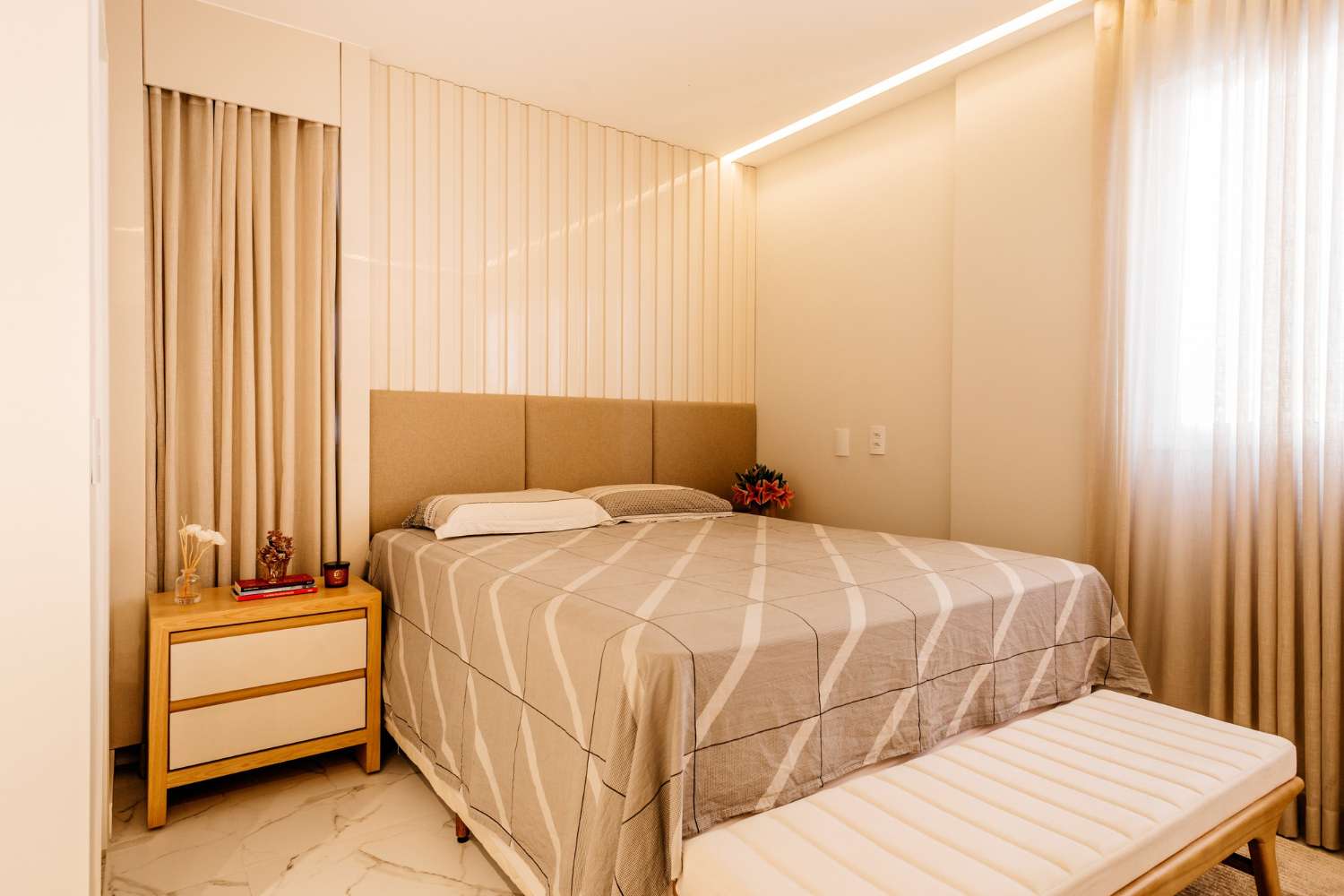
Your bedroom is more than just a place to sleep it is a personal sanctuary where comfort, functionality, and aesthetics blend to create a peaceful environment. However, designing or redesigning a bedroom is not as simple as rearranging furniture or changing wall colors. This is where expert interior designers bring immense value. Their deep understanding of space planning, décor elements, lighting, and design psychology helps them turn ordinary bedrooms into stunning, functional retreats.
In this detailed guide, we explore how professional interior designers redefine your bedroom space and transform it into a room that reflects your lifestyle, enhances comfort, and improves everyday living.
1. Understanding Your Lifestyle and Personal Preferences
The first step expert interior designers take is learning about you. Bedrooms are deeply personal spaces, and the design must align with your lifestyle, habits, and preferences.
Interior Designers Consider:
-
How you use the bedroom (sleeping, reading, work-from-home corner, storage, relaxation, etc.)
-
Your preferred color palette and materials
-
Your storage challenges
-
Your lighting needs
-
Your design personality minimalistic, luxury, contemporary, rustic, or modern
2. Smart Space Planning for Maximum Functionality
One of the most transformative skills interior designers bring is space optimization. They analyze floor space, room shape, window placement, and the flow of movement to create the most functional layout.
How Designers Optimize Space:
-
Positioning the bed for comfort and balanced energy
-
Ensuring free pathways without obstacles
-
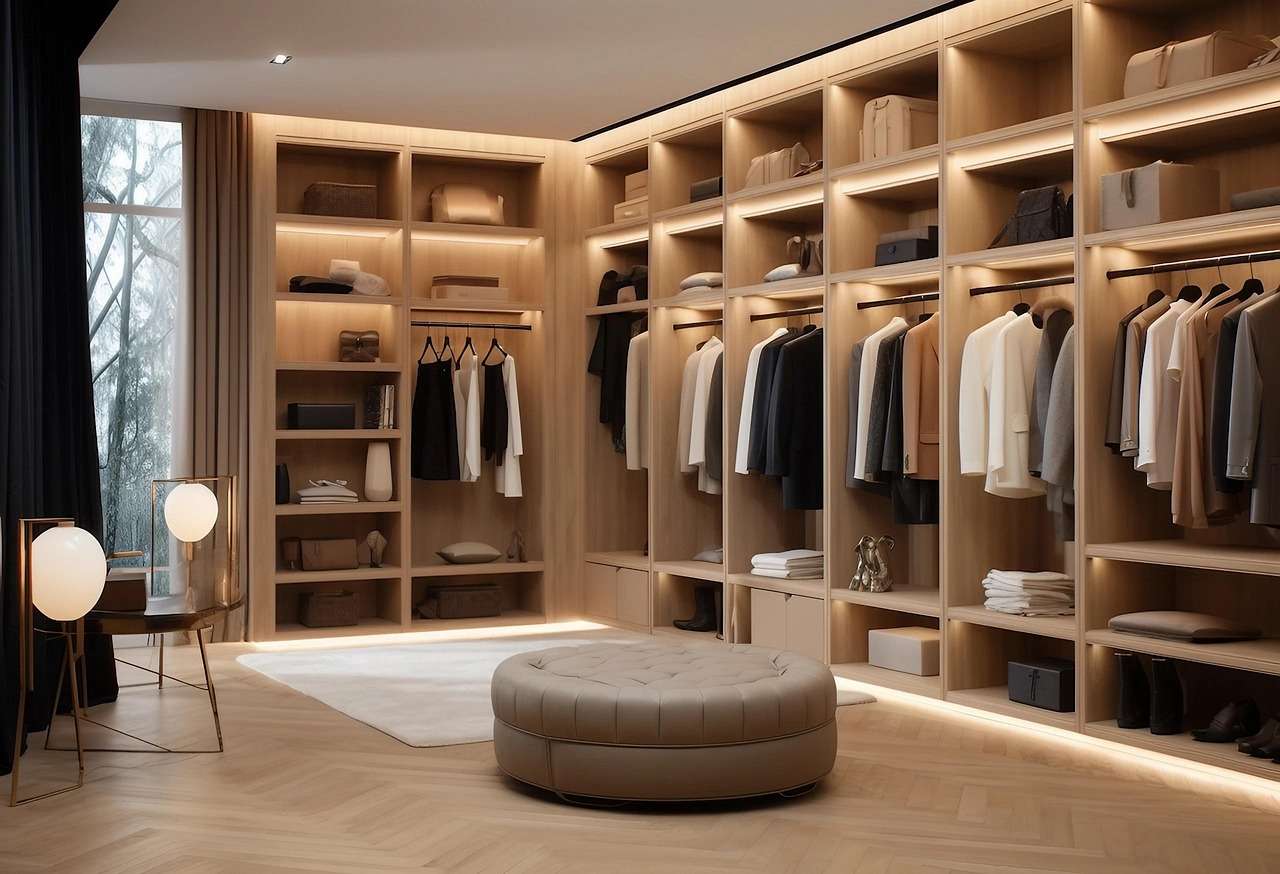
Designing built-in wardrobes to save space
-
Creating dedicated zones (sleeping, dressing, reading, work)
-
Using vertical wall space for storage and décor
3. Choosing the Right Furniture for Better Balance
Furniture plays a major role in how your bedroom feels—spacious, cramped, cozy, or overwhelming. Expert designers select furniture proportional to the room size, ensuring it complements the layout rather than overpowering it.
Furniture Decisions Designers Make:
-
Bed size based on room dimensions
-
Wardrobe design with maximum internal storage
-
Multipurpose furniture like storage beds or side tables
-
Custom-made pieces for unique spaces
-
Avoiding bulky furniture that restricts movement
4. Mastering Color Psychology for a Peaceful Ambience
Colors influence mood, sleep quality, and the overall vibe of your bedroom. Designers understand color psychology and select palettes that promote relaxation and harmony.
Popular Bedroom Color Choices:
-
Soft pastels for calmness
-
Neutral tones for sophistication
-
Earthy shades for warmth
-
Muted blues and greens for serenity
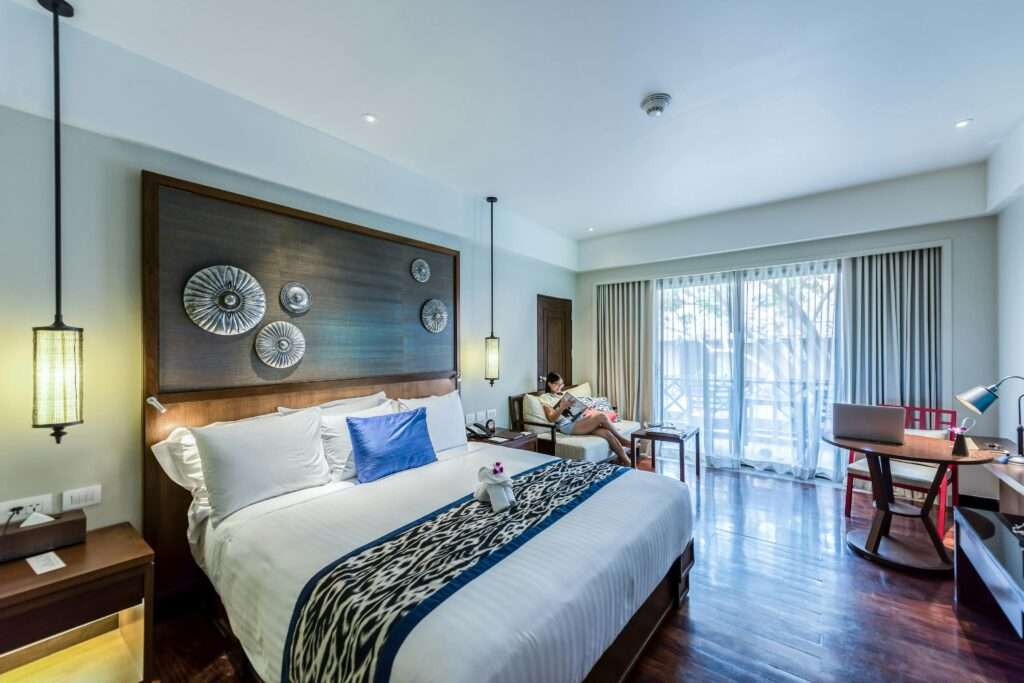
5. Layered Lighting That Enhances Mood and Practicality
Lighting is often underestimated, yet it dramatically changes the look and feel of your bedroom. Interior designers use a layered lighting approach to strike the perfect balance between functionality and ambience.
The Three Layers of Lighting:
-
Ambient lighting – general illumination through ceiling lights or chandeliers
-
Task lighting – reading lamps, study lights, or dresser lighting
-
Accent lighting – LED strips, wall sconces, or hidden lights for mood enhancement
They strategically place lights to avoid harsh shadows and create a warm, inviting bedroom atmosphere.
6. Creative Storage Solutions That Keep the Room Clutter-Free
A tidy bedroom instantly feels more spacious and relaxing. Interior designers specialize in creating intelligent storage solutions that blend seamlessly with the décor.
Smart Storage Ideas:
-
Floor-to-ceiling wardrobes
-
Sliding wardrobe doors to save space
-
Storage beds with hydraulic lifts
-
Bedside tables with drawers
-
Wall-mounted shelves
-
Hidden storage niches
7. Using Textures, Fabrics, and Décor to Add Character
A bedroom becomes truly personal when decorated with meaningful textures and accessories. Designers curate décor elements that elevate style without overpowering the room.
Décor Elements Designers Use:
-
Plush rugs for warmth
-
Soft bedding and layered fabrics
-
Wallpapers or accent walls
-
Artistic mirrors that enhance natural light
-
Statement headboards
-
Indoor plants for freshness
-
Hand-picked artwork that tells a story
8. Incorporating Technology for Modern Comfort
Today’s bedrooms often integrate smart technology for convenience and luxury. Interior designers blend tech features seamlessly into the layout.
Smart Additions Include:
-
Automated lighting
-
Voice-controlled devices
-
Smart AC controls
-
Soundproofing solutions
-
Concealed charging ports
-
LED mood lighting
9. Enhancing Natural Light and Ventilation
Designers prioritize natural light, an essential element for well-being and visual appeal. They strategically plan window treatments and room arrangements to maximize daylight.
They Use:
-
Sheer curtains for diffused light
-
Light-toned décor to reflect sunlight
-
Mirrors placed opposite windows
-
Breathable fabrics for better airflow
10. Tailored Solutions for Small and Large Bedrooms
Designing a bedroom that feels comfortable, functional, and visually balanced requires a thoughtful approach—especially when working with very small or very large spaces. Each room size comes with its own challenges, and the best results come from solutions tailored to the unique layout, proportions, and lifestyle needs of the homeowner. Whether you’re dealing with limited square footage or an expansive master suite, customized design strategies can help you make the most of every inch.
For Small Bedrooms:
-
Minimalistic furniture
-
Wall-mounted units
-
Light color palettes
-
Sliding doors
-
Multi-functional furniture
For Large Bedrooms:
-
Creating multiple zones
-
Statement décor pieces
-
Oversized headboards
-
Rich color accents
-
Luxurious lighting